


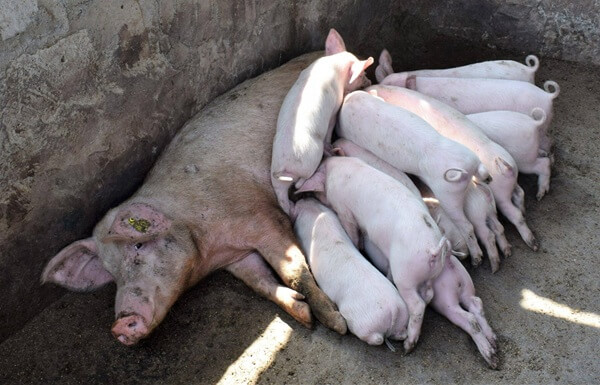
1. Housing:
Ensure well-ventilated and clean pens.
Maintain proper drainage to prevent waterlogging.
Use shade and cooling systems in hot climates.
2. Breeding:
Select healthy sows and boars for breeding.
Observe proper mating techniques and timing.
Use artificial insemination if needed for improved genetics.
3. Feeding:
Provide a balanced diet with protein, carbohydrates, vitamins, and minerals.
Use quality feeds like maize, soy, or commercial pig pellets.
Provide clean drinking water at all times.
4. Health Management:
Vaccinate pigs against common diseases (e.g., swine fever, pneumonia).
Deworm regularly and monitor for parasites.
Consult a veterinarian for routine check-ups.
5. Waste Management:
Manage manure efficiently to prevent odor and pollution.
Use waste as organic fertilizer or for biogas production.
6. Growth Monitoring:
Regularly weigh pigs to track growth and health.
Separate pigs by size to prevent competition for feed.
7. Marketing:
Identify markets for pork products early (slaughterhouses, retailers, etc.).
Maintain quality standards for higher profit margins.
8. Record Keeping:
Maintain records of breeding, feeding, vaccinations, and sales.
Analyze data to improve farm performance.
*Quick Facts for Beginners*
Ideal Breeds: Large White, Landrace, Duroc, or local hybrids.
Growth Cycle: Pigs are market-ready in 6-8 months.
Profit Tip: Focus on feed efficiency to reduce costs.

